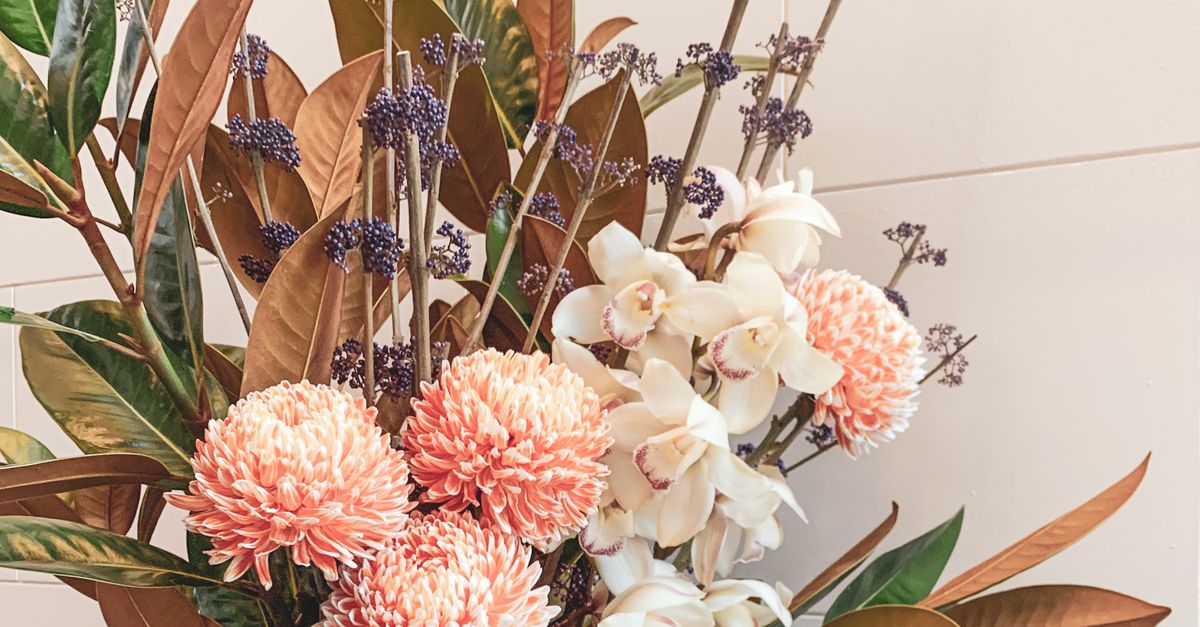
Statement Centrepieces: Choosing the Right Size and Style
Table Of Contents
Versatility of Centrepiece Designs
Statement centrepieces can serve many purposes, making them suitable for a range of events and settings. From elegant floral arrangements to sleek geometric sculptures, the options are abundant. The choice of materials, colours, and shapes allows for individual expression and can reflect the theme of an event. A dramatic centrepiece can act as a conversation starter, while a minimalist design might enhance a more understated atmosphere.
Adapting centrepiece designs to suit different occasions is key to their versatility. For a formal wedding, lush arrangements of seasonal blooms with soft draping might set the tone beautifully. Conversely, a rustic table could benefit from jars filled with wildflowers or even candles arranged in a casual manner. Understanding the desired mood of an event enables the selection of pieces that not only fit seamlessly into the environment but also elevate the overall experience for guests.
Adapting Styles for Various Occasions
When planning an event, the style of the centrepiece should reflect the occasion's overall theme and mood. For a formal wedding, elegant florals in muted shades with metallic accents can create a sophisticated atmosphere. Alternatively, a birthday celebration might call for vibrant colours and playful elements like balloons or themed decorations. Tailoring the centrepiece design ensures it resonates with guests and enhances the experience.
Seasonal changes also provide an opportunity for creativity in centrepiece selection. A spring gathering can feature fresh blooms and pastel colours, evoking a sense of renewal. In contrast, autumn events can embrace earthy tones with elements like pumpkins or pinecones. By considering both the type of event and the season, centrepieces can effectively tie together the decor, creating a cohesive aesthetic that leaves a lasting impression.
The Role of Lighting in Centrepiece Selection
Lighting plays a pivotal role in the overall impact of centrepieces at any event. The way light interacts with design elements can significantly enhance textures, colours, and shapes. Natural lighting can showcase floral arrangements beautifully during daylight, while artificial lighting creates a warm, inviting environment for evening gatherings. Different light sources, whether they are candles, string lights, or clever ambient lighting, can dramatically alter the mood and presentation of centrepieces.
Consideration of the type of lighting can also dictate the size and materials used in centrepieces. For instance, a large, dramatic arrangement may necessitate strong accent lighting to ensure it doesn’t get overshadowed in a dimly lit room. Conversely, more delicate pieces may benefit from softer illumination, which can enhance their charm without overwhelming them. Ultimately, the chosen lighting should complement the centrepiece, ensuring it becomes a focal point that draws attention and sparks conversation.
Enhancing Ambiance with Effective Lighting
The way lighting complements a table's centrepiece can dramatically alter the overall mood of an event. Soft, warm lights tend to create an inviting atmosphere, while brighter, cooler lights may energise the space. Strategically placing lights around the centrepiece can highlight its features, drawing guests’ attention to the focal point of the table. Consideration of the type of event plays a significant role in determining the lighting approach. An intimate dinner may benefit from candles or fairy lights, which add warmth and create a romantic vibe. In contrast, a lively celebration might call for dynamic lighting options, such as LED lanterns or strategically positioned spotlights.
Utilising different levels of lighting can add depth and interest to the table arrangement. Low-hanging fixtures above the centrepiece can provide a dramatic effect, especially when they accentuate the colours and textures of the displayed elements. In addition to traditional options, modern technology offers a range of lighting solutions, from smart bulbs to coloured gels, allowing for customised experiences. Pairing the lighting with the style of the centrepiece can also enhance the visual impact. An elegant floral arrangement may shine brightly under soft white lights, while a rustic setup might pair well with warm, low-toned illumination, further celebrating the theme of the occasion.
Incorporating Personalised Touches
Personalisation transforms a simple centerpiece into a meaningful focal point. It allows for the expression of individuality and reflects personal tastes. Incorporating elements such as family photographs, mementos from significant life events, or handmade pieces can create a deeper emotional connection. Unique materials that resonate with the occasion can also reinforce the theme, making the centerpiece more memorable.
Emphasising colour schemes or motifs that hold significance adds another layer of personalisation. Selecting items that evoke nostalgia or sentiment connects guests to the celebration. Adding handwritten notes or personalised favours can further enhance the experience, ensuring each guest feels a sense of belonging. The right combination of personal touches elevates a centerpiece from merely decorative to a cherished part of the gathering.
Making It Unique to Your Style
Personalisation can elevate a centrepiece from ordinary to extraordinary. Incorporating elements that reflect personal interests, stories, or memories adds a layer of meaning. For instance, using family heirlooms or items that signify a particular moment, such as seashells from a cherished beach holiday, can create a nostalgic ambience. Choosing colours and materials that are representative of one's aesthetic also enhances the uniqueness of the display.
In addition to physical items, bespoke decorations can offer a personal touch. Customised table runners, hand-painted vases, or personalised place cards contribute to a cohesive theme that resonates with the host's personality. Incorporating favourite quotes or meaningful symbols into the designs can spark conversation and connection among guests. Tailoring these details ensures that the centrepiece not only serves a functional purpose but also showcases individual style and creativity.
FAQS
What should I consider when choosing the size of my statement centrepiece?
When selecting the size of your statement centrepiece, consider the dimensions of your table, the height of your guests, and the overall scale of the room. A centrepiece should be proportionate to the table while ensuring it doesn’t obstruct conversation.
How can I adapt centrepieces for different occasions?
You can adapt centrepieces for various occasions by changing the style, colour scheme, and materials used. For formal events, opt for elegant flowers or sophisticated arrangements; for casual gatherings, consider playful or rustic designs that reflect the event’s theme.
What role does lighting play in the selection of a centrepiece?
Lighting significantly impacts the overall aesthetic of your centrepiece. Consider how natural and artificial light will interact with your chosen design. Soft, warm lighting can enhance floral arrangements, while dramatic lighting can elevate more structured designs.
How can I enhance the ambiance with effective lighting for my centrepiece?
To enhance ambiance, use ambient lighting such as candles or fairy lights around your centrepiece. This soft illumination can create a warm, inviting atmosphere while highlighting the features of your design.
What are some ways to personalise my centrepiece?
Personalising your centrepiece can involve incorporating elements that reflect your style or story, such as using family heirlooms, custom-made items, or favourite colours. Adding personal touches like photographs or unique decorations can make the centrepiece truly unique.
Related Links
Cultural Influences in Wedding Centrepieces in NewcastleBudget-Friendly Floral Centrepieces for Newcastle Weddings
Chic Table Arrangements to Impress Your Wedding Guests
Sustainable Floristry Practices for Reception Decor
Personalised Centrepiece Concepts for Unforgettable Weddings
Seasonal Flower Trends for Wedding Centrepieces in Newcastle
Combining Elegance and Whimsy in Reception Florals
Creative Centrepiece Ideas for Your Newcastle Wedding
Elegant Floral Designs for Newcastle Wedding Receptions