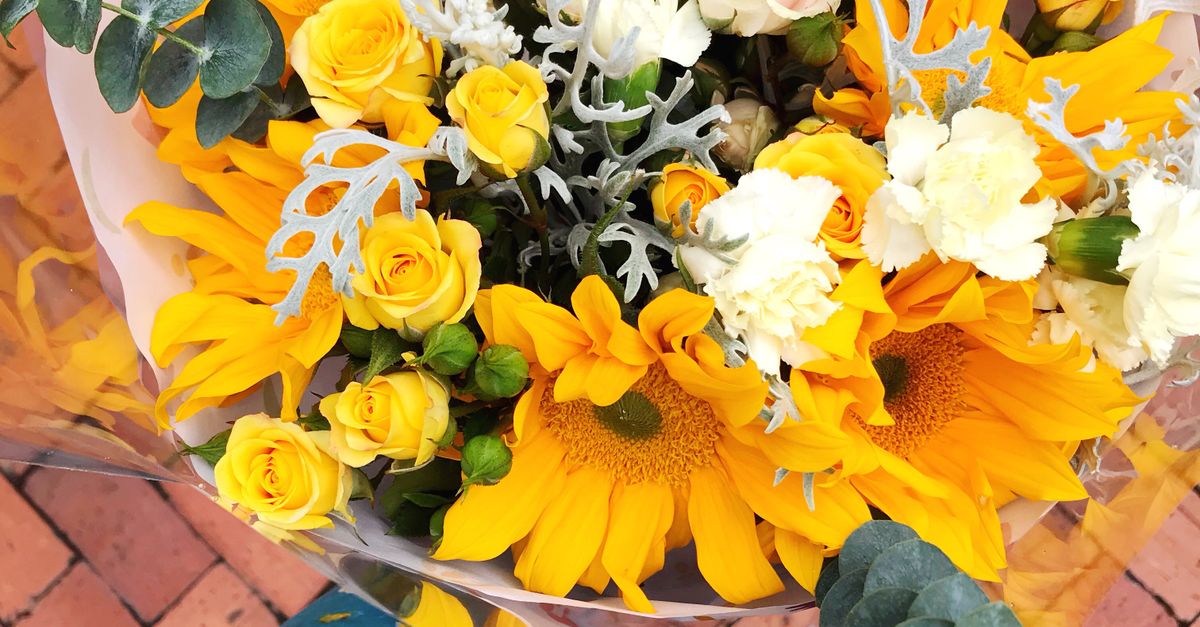
Tips for Arranging a Beautiful Winter Flower Display
Table Of Contents
Understanding Colour Combinations
When arranging winter flower displays, colour combinations play a crucial role in determining the overall aesthetic. The stark contrast of winter’s muted backdrop presents a unique opportunity to inject vibrant hues. Rich reds, deep purples, and icy blues can create striking visuals, while softer shades like blush pinks and creams can bring a touch of elegance and warmth. Assessing the existing landscape and incorporating elements that resonate with local flora ensures a cohesive feel.
Once you’ve selected a palette, it’s essential to consider how these colours interact within the arrangement. Layering shades can add depth and dimension, creating a multi-faceted display. Pairing complementary colours can help flowers stand out, while analogous tones may produce a softer, more harmonious look. Using greenery throughout can also serve to ground bold colours, creating balance and enhancing the overall impact of the arrangement.
Selecting a Palette that Complements Winter Scenery
Winter scenery is characterised by a unique palette of muted hues that can beautifully contrast with blooming flowers. Soft, icy blues and rich, deep greens evoke the tranquil essence of the season. Incorporating whites and silvers mimics the glimmer of frost on bare branches. For a more striking display, consider adding pops of berry red or vibrant purples. These accents offer warmth and vitality, forming eye-catching focal points amid the subdued backdrop.
The key to a harmonious arrangement lies in choosing shades that resonate with winter's natural aesthetics. Opting for shades that reflect the sky's palette during overcast days can create a soothing effect. When paired thoughtfully, these colours can enhance the visual interest of your display while celebrating the beauty inherent in winter. Selecting complementary shades not only elevates your floral arrangements but also creates a cohesive look that resonates with the season's charm.
Arranging Flowers for Maximum Impact
Creating a striking floral arrangement involves careful consideration of height and shape to achieve a balanced composition. Start with a focal point, such as a tall flower or an eye-catching bloom, to draw attention. This centrepiece should be complemented by other flowers of varying heights. Use shorter flowers at the base to provide stability and create a sense of grounding. Consider the natural growth patterns of the flowers to ensure they interact harmoniously.
The placement of flowers is crucial for enhancing visual interest. Grouping flowers in clusters can create a more dynamic arrangement. Alternate between different shapes, such as rounded and spiky blooms, to add dimension. Maintaining a cohesive colour scheme throughout the arrangement helps unify the elements. Additionally, incorporating seasonal greenery can provide texture and depth. The final touch should involve adjusting the positioning for optimal viewing from all angles, ensuring the display looks beautiful from every perspective.
Tips for Balancing Heights and Shapes
Creating a visually appealing flower arrangement requires attention to the different heights and shapes of the floral elements. Aim for a mix of tall, medium, and low flowers to create a dynamic display. Taller stems can serve as the focal point, guiding the eye upwards. Use mid-height blooms to add volume, while lower flowers can provide a base and grounding effect. Consider the natural growth patterns of each flower type, as this can help achieve a more organic look.
Incorporating shapes adds additional interest to your arrangement. Combine round blooms with spiky elements to achieve a harmonic balance. Textural variety is also important; pairing smooth petals with ruffled or textured ones creates depth. When arranging, step back frequently to assess the overall balance. This allows for adjustments that enhance the composition, ensuring that no single element overpowers the others, resulting in a well-rounded and engaging display.
Maintenance Tips for Longevity
To ensure your winter flower arrangements last as long as possible, proper care is essential. Start by checking the water levels regularly. Flowers should have a consistent supply, so refreshing the water every few days will help maintain their vibrancy. Support the stems with clean cuts, as this allows better absorption of nutrients and moisture.
Temperature and humidity play a significant role in the longevity of your arrangements. Keep them in a cooler environment, away from direct heat sources and drafts, which can cause wilting. A humid atmosphere is also beneficial, as it prevents the flowers from drying out. For arrangements placed indoors, misting them occasionally can help maintain an ideal moisture level. Regularly remove any wilted blooms or foliage to encourage new growth and keep the display looking fresh.
Caring for Your Winter Flower Arrangements
Keeping flowers fresh during the cooler months can be achieved with a few simple practices. Start by ensuring that arrangements are placed in a cool location, away from direct heat sources like radiators or fireplaces. Regularly check the water levels in your vases. It's essential to change the water every few days to prevent bacteria growth that can shorten the life of your blooms. Trim the stems about an inch from the bottom each time you refresh the water. This allows for better water absorption and keeps the flowers looking vibrant.
In winter, many flowers are sensitive to frost and cold drafts. Protect your arrangements by displaying them in areas that provide natural light but are not exposed to extreme temperatures. If you’re using floral foam, ensure it stays moist by regularly adding water. It’s also beneficial to remove any wilted flowers immediately, as they can cause surrounding blooms to deteriorate more quickly. With attentive care, your winter flower displays can flourish throughout the season.
FAQS
What types of flowers are best for winter arrangements?
Some great options for winter arrangements include poinsettias, winter jasmine, hellebores, and seasonal foliage like eucalyptus and pine. These flowers can add colour and texture to your display during the colder months.
How can I choose a colour palette that fits the winter season?
To select a colour palette that complements winter scenery, consider using cool tones like blues, purples, and whites, or warm hues like rich reds, deep greens, and golds. You can also incorporate neutral shades to provide balance.
What are some tips for arranging flowers to create maximum visual impact?
To achieve maximum impact, vary the heights and shapes of the flowers in your arrangement. Use taller stems as focal points and surround them with shorter blooms to create depth. Additionally, consider using an odd number of flowers for a more dynamic look.
How often should I maintain my winter flower arrangements?
It’s best to check your arrangements every few days. Make sure to change the water, remove any wilted flowers, and trim the stems to help prolong their life. Regular maintenance will ensure that your display remains vibrant and fresh.
What special care do winter flower arrangements require?
Winter flower arrangements require specific care such as placing them away from direct heat sources, like radiators or fireplaces, to prevent wilting. Additionally, keep them in a cool room and ensure they receive adequate sunlight, but not too much direct exposure.
Related Links
Incorporating Pine and Eucalyptus in Winter Floral DesignsThe Best Winter Blooms for Unique Floral Designs
Seasonal Colour Palettes for Winter Floral Arrangements
Understanding the Symbolism of Winter Flowers in Arrangements
Designing Wreaths with Winter Florals and Foliage