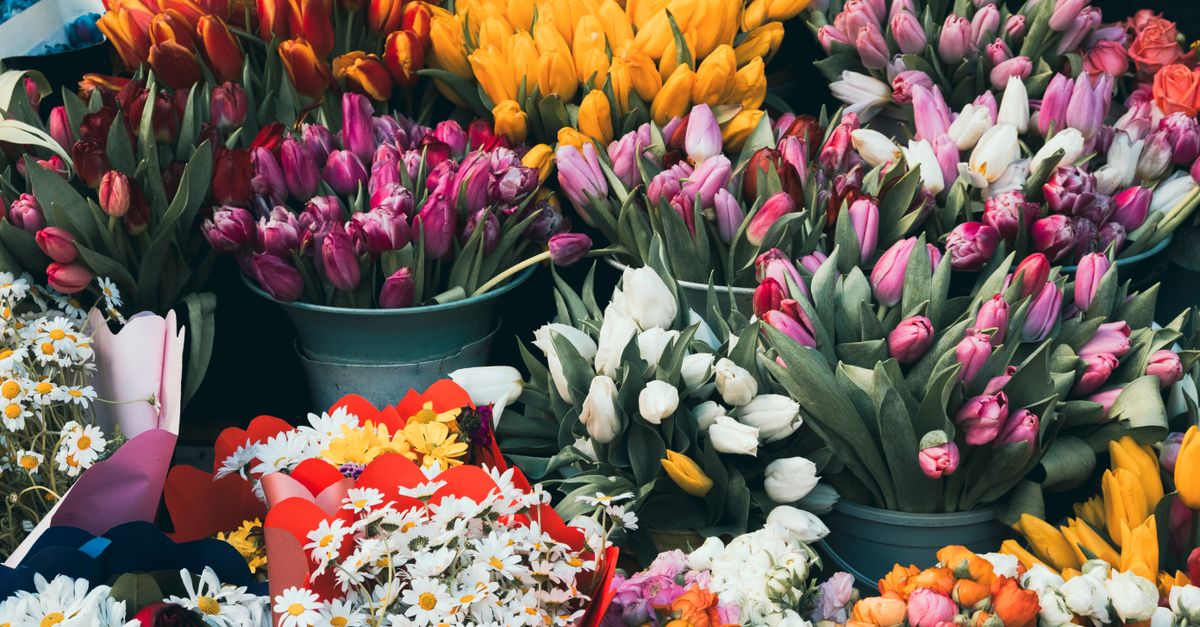
Vibrant Bouquets for Friendship Day
Table Of Contents
Seasonal Flowers for Friendship Day
Choosing flowers that bloom in harmony with the season enhances the sentiment behind Friendship Day. In spring, bright and cheerful blooms like tulips and daffodils symbolise new beginnings and warmth. As the seasons shift into summer, sunflowers and daisies mirror joy and affection, creating vibrant displays perfect for celebrating friendships. Autumn offers rich hues with chrysanthemums and dahlias, reflecting the changing landscape and the deeper bonds that grow as the year matures.
Winter presents a different yet equally beautiful selection, featuring vibrant choices such as poinsettias and hellebores that bring warmth during the chilly months. Each season provides unique options to convey heartfelt messages and appreciation for friends. Selecting seasonal flowers not only ensures freshness but also adds a thoughtful touch to your bouquets, making the gift truly special.
Best Picks for Each Time of Year
Seasonal flowers can add a delightful touch to any Friendship Day celebration. In spring, opt for vibrant tulips and fragrant hyacinths, both of which embody the spirit of renewal and blossoming friendships. During the summer months, sunflowers and peonies shine brightly, offering warmth and joy. As autumn approaches, consider chrysanthemums and dahlias, which display rich colours that reflect the changing leaves and evoke a sense of comfort among friends.
Winter brings its own charm, with options like amaryllis and paperwhite narcissus. These flowers not only provide a pop of colour against a backdrop of grey skies but also uplift spirits during the colder season. Choosing flowers that reflect the time of year not only enhances the aesthetic of the bouquet but also deepens the sentiment attached to the gift, creating a lasting impression during Friendship Day festivities.
Eco-Friendly Flower Options
In recent years, many florists have embraced sustainable practices, offering a range of eco-friendly flower options. These blooms are often sourced from local growers who prioritise organic farming methods. Choosing flowers that are grown without harmful pesticides and chemicals not only benefits the environment but also supports local economies. Seasonal availability plays a significant role, making it essential to select flowers that are in bloom at the time of purchase.
Another appealing option involves selecting dried or preserved flowers, which can reduce environmental impact while providing long-lasting beauty. These arrangements are typically made from flowers that have been carefully dehydrated and treated to maintain their vibrant colours and textures. They offer a unique aesthetic and can serve as a beautiful reminder of cherished friendships for years to come. Furthermore, opting for recyclable packaging and biodegradable materials in floral arrangements can further contribute to a greener planet.
Sustainable Choices for Conscious Givers
Choosing sustainably sourced flowers reflects consideration for the environment. Opt for blooms that are grown locally to reduce carbon footprints associated with transportation. Look for certifications such as Fair Trade or organic. These flowers are cultivated without harmful pesticides and are often produced in ways that support local economies. Selecting seasonal varieties not only enhances freshness but also promotes sustainable farming practices.
Additionally, consider alternatives to traditional cut flowers. Potted plants provide longevity and can brighten a home for years. Succulents or native Australian flora are other excellent options, requiring less water and maintenance. Supporting local flower markets may also lead to discovering unique arrangements that utilise regional blooms, further enriching your bouquet while being kind to the planet.
How to Care for Your Bouquets
To ensure that your vibrant bouquets last as long as possible, proper care is essential. Begin by trimming the stems at an angle about 2-3 centimetres from the bottom. This increases the surface area for water absorption. Remove any leaves that might sit below the waterline to prevent bacterial growth. Fill a clean vase with fresh, cool water and add the flower food provided with your bouquet. Regularly check the water level and change it every few days to maintain freshness.
Position your bouquet in a cool spot away from direct sunlight or heat sources. Extreme temperatures can hasten wilting. Keep an eye out for any wilting flowers and remove them promptly to maintain the bouquet's overall appearance. Spraying the petals lightly with water can also help keep them hydrated. By following these tips, you can enjoy your stunning arrangement for an extended period.
Tips for Keeping Flowers Fresh Longer
To ensure your flowers remain vibrant and fresh, start by trimming the stems at an angle before placing them in water. This technique increases the surface area for water absorption. Remove any leaves that will be submerged in the water to prevent bacterial growth. Using clean vases can also contribute to longer-lasting blooms.
Changing the water every few days is crucial to maintaining floral freshness. Adding flower food can provide essential nutrients while keeping the water free from harmful bacteria. Avoid direct sunlight and heat sources, as these can hasten wilting. Instead, select a cool spot in your home to display your bouquet, allowing it to thrive longer.
FAQS
What are some seasonal flowers that are perfect for Friendship Day?
Seasonal flowers like daisies in spring, sunflowers in summer, chrysanthemums in autumn, and tulips in winter make excellent choices for Friendship Day bouquets.
How can I choose the best flowers for each time of year?
Consider the availability and bloom cycles of flowers throughout the year. For example, roses, lilies, and peonies are great picks for spring, while wildflowers and zinnias shine in summer.
What are eco-friendly flower options I can consider?
Eco-friendly flower options include locally sourced blooms, organic flowers grown without harmful pesticides, and plants that are native to your area, which require less water and maintenance.
What are some sustainable choices for conscious givers?
Sustainable choices include choosing flowers from certified organic farms, opting for potted plants instead of cut flowers, and using biodegradable wrapping or containers for your bouquets.
How can I care for my bouquets to ensure they last longer?
To keep your flowers fresh longer, trim the stems at an angle, remove any leaves submerged in water, change the water every couple of days, and keep them away from direct sunlight and heat sources.
Related Links
Delightful Bouquets for Valentine's DayThoughtful Bouquets for Mother's Day
Seasonal Bouquets for Christmas Gatherings
Charming Bouquets for Housewarming Presents
Elegant Bouquets for Engagement Parties
Colourful Bouquets for Graduation Celebrations