Floral Arrangement Styles for Mourning and Remembrance
Table Of Contents
Seasonal Considerations for Floral Arrangements
Different seasons offer unique inspirations for floral arrangements, allowing for a variety of styles and themes. In spring, blossoms such as tulips and daffodils bring a sense of renewal and hope. Summer introduces vibrant colours with flowers like sunflowers and roses, which can evoke warmth and celebration amidst a more reflective occasion. Autumn provides rich hues through blooms like chrysanthemums and dahlias, creating arrangements that are both warm and somber. Winter arrangements often utilise evergreens and seasonal blooms like hellebores, adding a peaceful and calming element to memorial displays.
Seasonal considerations also extend beyond just the types of flowers used. The availability of certain blooms can fluctuate according to the climate, affecting both quality and pricing. It is essential to plan accordingly, ensuring that arrangements remain fresh and visually striking during significant times of commemoration. The incorporation of natural elements, such as twigs or pine cones in winter arrangements, can enhance themes appropriate for the season while also giving texture and depth to displays. By thoughtfully considering the seasonal aspects, one can create arrangements that resonate deeply on a personal level.
Best Flowers to Use Throughout the Year
When selecting flowers for mourning and remembrance, it is important to consider seasonal availability and symbolism. In spring, lilies stand out for their elegance and association with purity, making them a popular choice for memorial arrangements. Summer brings forth vibrant blooms such as sunflowers and daisies, each embodying warmth and hope. As the leaves change in autumn, chrysanthemums emerge as a symbol of honour and respect, offering rich colours that reflect the season's beauty. Winter’s starkness can be softened with the soft petals of camellias and the seasonal allure of seasonal evergreens, giving a sense of continuity.
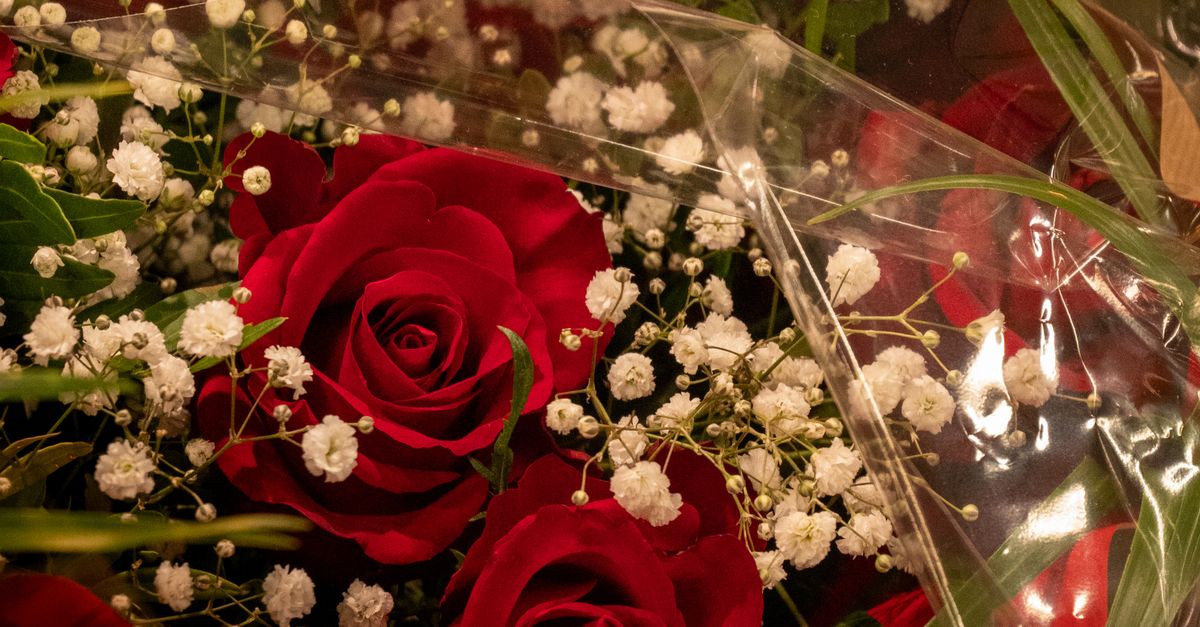
Each flower carries its own meaning, which can add a personal touch to memorial arrangements. Roses, for instance, can convey deep emotions, with different colours representing various sentiments. White roses signify purity and innocence, while red roses communicate love and respect. Seasonal flowers not only provide freshness but can also create a stronger emotional connection for those remembering their loved ones. Further, choosing local varieties supports sustainability while ensuring that the arrangements are both beautiful and meaningful.
Cultural Influences on Floral Design
Floral design is often shaped by cultural traditions and beliefs. In many cultures, flowers hold specific meanings or symbolism, influencing the choice of blooms used in arrangements for mourning and remembrance. For instance, in some Asian cultures, white flowers are commonly associated with funerals, symbolising purity and rebirth. Conversely, in various Western traditions, darker colours may signify grief and loss, reflecting the emotional weight of the occasion.
Different cultural practices also dictate the types of arrangements that are preferred. In Mexican culture, vibrant marigolds are prominently featured during Día de los Muertos, celebrating the lives of those who have passed. Each detail, from colour selection to arrangement style, carries significant meaning. The incorporation of native flowers and traditional techniques adds a personal touch, ensuring that floral tributes resonate deeply with the values and history of different communities.
Traditional Practices from Around the World
In many cultures, floral arrangements play a crucial role in mourning and remembrance rituals. In Mexico, vibrant marigolds, or cempasúchil, are used during Día de los Muertos to honour deceased loved ones. These flowers, with their bright colour and strong scent, are believed to attract the spirits back to the living world. Similarly, in Japan, the practice of Ikebana reflects a deep respect for nature and life cycles, often incorporating seasonal blooms that convey specific sentiments related to remembrance.
The use of flowers in funerals and memorials varies significantly across different regions. In Western traditions, lilies are often favoured for their association with purity and renewal, representing the soul's transition. Meanwhile, in parts of Eastern Europe, wreaths made from ivy or cypress are common, symbolising eternal life and grief. Each culture imbues its floral practices with unique meanings that resonate deeply during times of loss, showcasing the universal language of flowers in expressing sorrow and honouring those who have passed.
Arrangement Techniques for Lasting Impressions
A visually impactful floral arrangement requires careful consideration of both structure and aesthetics. Begin with a sturdy base, using floral foam or a secure vessel that can hold water. This provides stability for the stems while preventing the arrangement from collapsing. Select a mix of heights to create visual interest. Tall blooms can stand out in the centre, while shorter flowers and foliage form a lush border. Always think about colour balance; using complementary hues enhances the overall look. Incorporating varied textures adds depth, encouraging the viewer's eye to explore the arrangement.
Attention to detail in the arrangement process can significantly influence its overall presentation. Trim flower stems at an angle to allow for better water absorption. Removing excess foliage and any leaves that may sit below the waterline prevents bacterial growth. Use floral tape if necessary to create a grid pattern on the vessel's rim; this helps position stems precisely where desired. Regularly checking water levels ensures the flowers maintain their vitality. The final touch of adding personal tokens, such as photographs or meaningful objects, creates a heartfelt memorial infused with memory.
Tips for Creating Stable and Beautiful Displays
Creating a stable floral arrangement requires careful consideration of the container's depth and width. A sturdy base helps prevent tipping and ensures that the flowers remain upright. Using floral foam can provide additional support, allowing stems to be securely anchored. Hydration is essential. Placing some water into the container or soaking the foam sufficiently will keep the flowers fresh and prolong their beauty.
Attention to balance and symmetry will enhance the overall appearance of the display. Experiment with different heights and angles for the stems to create visual interest. Grouping flowers in odd numbers often leads to a more natural and visually appealing effect. Incorporating greenery within the arrangement can add depth and frame the blooms, offering a lush and cohesive look without overwhelming the primary flowers.
FAQS
What are some seasonal flowers suitable for mourning arrangements?
Seasonal flowers such as chrysanthemums in autumn, lilies in spring, and roses during summer can be beautifully used in mourning arrangements. It's essential to choose blooms that reflect the current season for a more natural look.
How do cultural influences shape floral arrangements for remembrance?
Different cultures have unique traditions and colours associated with mourning. For example, white flowers are often used in Western cultures for funerals, while red flowers may represent mourning in some Eastern cultures. Understanding these influences can guide the selection and design of arrangements.
What are some traditional mourning floral practices from around the world?
Traditional practices vary, such as the use of specific flowers like marigolds in Mexico during Día de los Muertos, or the placement of flowers on gravesites in various cultures. Each tradition conveys respect and remembrance, making them deeply meaningful.
What techniques can I use to create a lasting floral arrangement for remembrance?
To create a lasting arrangement, ensure you use fresh flowers, keep the stems trimmed at an angle, and provide adequate water. Additionally, using floral foam can help stabilize the flowers and maintain their arrangement for longer periods.
Are there specific tips for creating a beautiful and stable floral display for mourning?
Yes, consider using a sturdy base, such as a heavy vase, and balance the arrangement by varying the height and positioning of the flowers. Additionally, incorporating greenery can add texture and fill out the arrangement, enhancing its overall beauty.
Related Links
Designing Elegant Casket Sprays for Lasting MemoriesPersonalising Sympathy Flower Arrangements for Unique Tributes
Creating Comfort with Thoughtful Funeral Flower Gifts
Cultural Considerations for Sympathy Flowers in Newcastle
Innovative Ideas for Memorial Bouquets and Arrangements
Seasonal Flower Selections for Funeral Services in Newcastle
Best Practices for Creating Funeral Wreaths in Newcastle
How to Choose Sympathy Flowers for Different Relationships
Meaningful Floral Tributes for Loved Ones in Newcastle