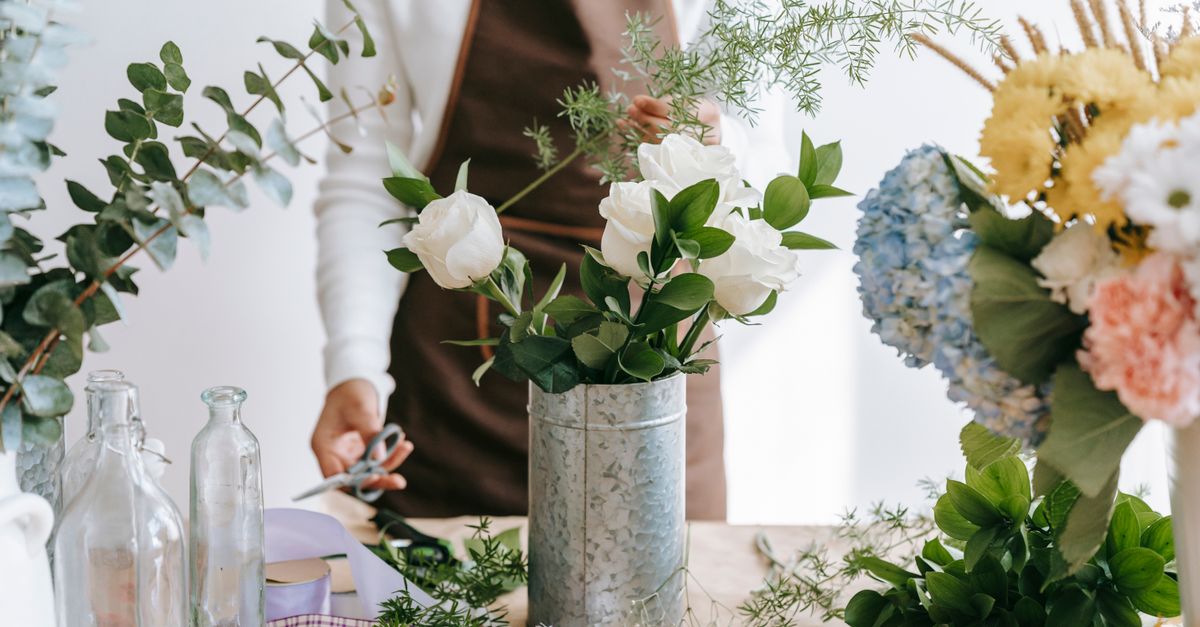
Personalising Sympathy Flower Arrangements for Unique Tributes
Table Of Contents
Designing Arrangements for Different Spaces
When designing sympathy flower arrangements, it's important to consider the specific space in which they will be displayed. Home environments benefit from more intimate and personal designs that reflect the deceased’s character or preferences. Arrangements for funeral services often take on a more formal approach, showcasing larger, more structured displays that command attention within the setting. Meanwhile, flowers placed at gravesides can be simple yet expressive, with low-maintenance options that convey heartfelt sentiments without overwhelming the natural beauty of the site.
Each space presents unique challenges and opportunities for creative expression. For homes, incorporating personal touches like favourite colours or blooms can create a comforting atmosphere for mourning families. In contrast, funeral settings may benefit from arrangements that complement the overall decor, highlighting the significance of the occasion. When flowers are arranged for gravesides, durability should be taken into account alongside aesthetics, ensuring that the tribute remains beautiful despite exposure to the elements.
Considerations for Home, Funeral Services, and Gravesides
When choosing flowers for home displays, consider the environment in which they will be placed. Bright, uplifting arrangements can provide comfort in living areas, while softer, subtle designs may suit more intimate spaces. Seasonal flowers often work well for home settings, offering a personal touch that reflects the deceased's preferences or favourite blooms. Ensuring that the arrangement complements the home’s colour scheme can enhance its overall impact and provide a calming atmosphere.
For funeral services, the choice of flowers often carries deeper significance and should align with the formality of the occasion. Arrangements can vary from grand displays to simple bouquets, depending on the deceased’s personality and the family's wishes. At gravesides, flowers must withstand various weather conditions while still conveying heartfelt sentiments. Opting for longer-lasting varieties or opting for potted plants can ensure the tribute remains vibrant over time, serving as a lasting homage to the loved one.
The Role of Greenery in Sympathy Flowers
Foliage plays a crucial role in enhancing the overall aesthetic of sympathy flower arrangements. It adds texture and depth, complementing the blooms while also bringing a sense of natural elegance. Different types of greenery can evoke various emotions and themes, from the soft, delicate leaves of ferns to the bold, structured forms of eucalyptus. Each choice contributes to the final tribute, allowing the creator to express sentiments that words may fail to capture.
In addition to aesthetics, greenery serves a practical purpose in floral arrangements. It can create a sense of fullness and volume, making the overall display more impactful. Beyond that, using local and seasonal foliage can enhance the connection to the recipient’s environment. This harmony with nature not only beautifies the arrangement but also helps create a tranquil atmosphere, perfect for moments of remembrance and reflection.
Enhancing Arrangements with Foliage
Incorporating greenery into floral arrangements adds depth and texture, creating a more vibrant tribute. Foliage elements such as ferns, eucalyptus, and ivy serve not only as a backdrop to the flowers but also enhance the overall aesthetic by providing contrast and complementing the blooms. The choice of greenery can evoke specific emotions and carry different meanings, allowing for a personalised touch that resonates with those paying tribute.
Utilising various shades of green also brings a sense of life and renewal, balancing the bright colours of the flowers with a more subdued natural palette. The arrangement can be tailored to reflect the personality of the individual being remembered or the preferences of the grieving family. Rich, lush foliage can convey a sense of abundance and warmth, while finer, more delicate leaves might suggest grace and elegance, allowing for creative expression that aligns with the sentiment desired.
Crafting Messages with Floral Designs
Floral designs can convey emotions and sentiments beyond mere words. The choice of flowers, their arrangement, and accompanying elements can create a visual message that resonates deeply with the recipient. For instance, using white lilies often symbolizes purity and the restoration of the soul, while deep red roses evoke love and respect. By thoughtfully selecting specific blooms and arranging them in meaningful combinations, tributes can mirror the unique relationship shared with the departed.
The shape of the arrangements also plays a vital role in crafting messages. Circular designs can represent love and continuity, whereas angular formations may suggest strength and resilience. Incorporating personal elements, such as a favourite flower of the deceased or colours that represented their personality, adds another layer of meaning. Each element, from the petals to the arrangement style, becomes part of the heartfelt expression of sympathy, creating a tribute that celebrates life while acknowledging loss.
Expressing Sympathy Through Arrangement Shapes
The shape of a floral arrangement can convey distinct emotions and messages. For instance, circular arrangements often represent eternity and remembrance, making them a poignant choice for expressing ongoing love or fond memories. In contrast, angular or triangular shapes may signify strength and resilience, ideal for honouring the life of someone who faced challenges. Selecting the arrangement shape thoughtfully can enhance the tribute's emotional impact, creating a deeper connection between the flowers and the feelings being expressed.
Additionally, the choice of shape can also reflect the personality of the deceased. A whimsical, freeform arrangement might suit someone with a vibrant spirit, while a classic, structured design could honour a more traditional individual. The overall aesthetic not only conveys sentiment but also helps celebrate the unique characteristics of the person being remembered. By considering these aspects, the final floral tribute becomes a more personalised and meaningful expression of sympathy.
FAQS
How can I personalise a sympathy flower arrangement?
Personalising a sympathy flower arrangement can be done by selecting specific flowers that hold meaning for the recipient or the deceased, incorporating personal messages or notes, and choosing colours and arrangements that reflect the personality or preferences of the individual being honoured.
What types of flowers are appropriate for sympathy arrangements?
Common flowers used in sympathy arrangements include lilies, roses, chrysanthemums, and carnations. Each flower has its own symbolism, so you can choose based on what you believe would resonate most with the recipient or the deceased.
How should I choose the right size of flower arrangement for a funeral?
When choosing the size of a flower arrangement for a funeral, consider the size of the space where it will be displayed. Larger arrangements may be suitable for the altar or entrance, while smaller bouquets can be placed on tables or given to family members.
Can greenery be used in sympathy flower arrangements?
Yes, greenery plays a significant role in enhancing sympathy flower arrangements. Foliage adds texture, depth, and a natural touch, helping to create a more balanced and visually appealing display.
What message can I convey through the shape of a floral arrangement?
The shape of a floral arrangement can convey different emotions or messages; for example, circular arrangements can represent love and unity, while more angular or upright designs can signify strength and stability. Choose a shape that aligns with the sentiment you wish to express.
Related Links
Floral Arrangement Styles for Mourning and RemembranceSeasonal Flower Selections for Funeral Services in Newcastle
Creating Comfort with Thoughtful Funeral Flower Gifts
Cultural Considerations for Sympathy Flowers in Newcastle
Innovative Ideas for Memorial Bouquets and Arrangements